Indian Polity Study Material, Videos Lessons in 60 Sec & More

Indian Polity

Indian Polity
Questions & Video Lessons

Build a clear understanding of the Constitution, Parliament, President, Judiciary and other core Polity concepts through focused practice and short video lessons.

97practice questions
1chapters to practise
2topics in the question library
252video lessons
Find your starting point

Indian Polity questions by chapter

Browse the Indian Polity chapters currently available in the published question library. New chapters will appear automatically as more Q&A pages go live.

Practice library

Indian Polity questions and answers

Practise published Indian Polity questions and filter them by chapter, topic, exam or year.

Showing published Indian Polity questions.Explore questions from all subjects →
01How many members are elected to the Public Accounts Committee from Rajya Sabha?Central GovernmentParliamentRRB ALP CBT-I202602What is the highest forum for discussion and debate on public issues and national policy in India?Central GovernmentParliamentRRB NTPC (UG) CBT-I202603What is the primary purpose of a Parliamentary Committee in India?Central GovernmentParliamentRRB NTPC (UG) CBT-I202604Joint Sitting of both the houses of the Parliament is summoned by:Central GovernmentParliamentRRB NTPC (UG) CBT-I202605Parliament, the legislative organ of the Union government, is mentioned in which part of the Constitution of India?Central GovernmentParliamentRRB NTPC (UG) CBT-I202606Who among the following administers oath of Pro Tem Speaker during initial sitting of newly elected Lok Sabha?Central GovernmentParliamentRRB NTPC (UG) CBT-I202607How many Departmentally Related Standing Committees (DRSCs) are there in the Indian Parliament?Central GovernmentParliamentRRB NTPC (UG) CBT-I202608A national emergency must be approved by Parliament within ______.Central GovernmentParliamentRRB NTPC (UG) CBT-I202609Which of the following Articles of the Constitution of India states that, until Parliament by law otherwise provides, the quorum to constitute a meeting of either House of Parliament shall be one-tenth of the total number of members of the House?Central GovernmentParliamentRRB NTPC (UG) CBT-I202610Under which article can the president summon, prorogue, or dissolve either house of Parliament?Central GovernmentParliamentRRB NTPC (UG) CBT-I202611Which of the following is a Parliamentary committee?Central GovernmentParliamentRRB NTPC (UG) CBT-I202612वर्ष 1952 से राज्यों और केंद्र शासित प्रदेशों को आवंटित राज्य सभा सीटों की संख्या में उतार-चढ़ाव के लिए कौन-से कारक उत्तरदायी रहे हैं?Central GovernmentParliamentRRB NTPC (UG) CBT-I202613The Committee on Government Assurances primarily deals with ______ .Central GovernmentParliamentRRB NTPC (UG) CBT-I202614After proclamation, Financial Emergency must be approved within how many months by Parliament?Central GovernmentParliamentRRB NTPC (UG) CBT-I202615From which year onward does PDL (Parliament Digital Library) have the digitized archives of legislative debates?Central GovernmentParliamentRRB NTPC (UG) CBT-I202616When is a 'Vote on Account' necessary?Central GovernmentParliamentSSC Selection Post (Higher Secondary Level)202517Under what circumstances can the Parliament legislate on a subject in the State List?Central GovernmentParliamentSSC Selection Post (Higher Secondary Level)202518What is the total number of houses that make up the Indian Parliament?Central GovernmentParliamentSSC Selection Post (Matriculation Level)202519Which of the following articles of the Indian Constitution provides Provisions as to introduction and passing of Bills in parliament?Central GovernmentParliamentSSC MTS202620In Lok Sabha, how many seats are reserved for Scheduled castes?Central GovernmentParliamentSSC MTS202621A 'Cut Motion' in Indian parliament is related to ______.Central GovernmentParliamentSSC MTS202622The Constitution prescribes that Union Ministers are collectively responsible to: Central GovernmentParliamentDelhi Police Constable (Executive)202523Which House can authorize Parliament to legislate on a State List subject in national interest?Central GovernmentParliamentDelhi Police Constable (Executive)202524Under which constitutional provision is the principle of Collective Responsibility of the Council of Ministers to the Lok Sabha contained? Central GovernmentParliamentDelhi Police Constable (Executive)202525When deadlock arises the President has to summon joint sitting of two houses of parliament comes under which article?Central GovernmentParliamentDelhi Police Constable (Executive)202526Who presents the Union Budget in the Parliament of India?Central GovernmentParliamentDelhi Police Constable (Executive)202527When the Rajya Sabha passes a resolution under Article 249, the power of Parliament to legislate remains valid for:Central GovernmentParliamentDelhi Police Constable (Executive)202628Rahul Gandhi was recognized as the Leader of the Opposition (LoP). This post was vacant for 10 years (2014-2024) because no opposition party had?Central GovernmentParliamentDelhi Police Constable (Executive)202629According to the Constitution, what is the maximum permissible gap between two sessions of Parliament to ensure regular legislative functioning?Central GovernmentParliamentDelhi Police Constable (Executive)202630What is the minimum age required to become a Member of Lok Sabha? Central GovernmentParliamentDelhi Police Constable (Executive)202531In which of the following cases does the Union have exclusive power? Central GovernmentParliamentDelhi Police Constable (Executive)202532Which of the following statements correctly distinguishes a Money Bill from a Finance Bill in the Indian Parliamentary system, in light of constitutional provisions and judicial interpretations?Central GovernmentParliamentDelhi Police Head Constable (AWO/TPO)202533Which body holds the primary responsibility for making laws for the entire country in India?Central GovernmentParliamentDelhi Police Head Constable (AWO/TPO)202534A bill passed by both houses becomes law after:Central GovernmentParliamentSSC GD Constable202635Which of the following statements correctly describes the permanent nature of the Rajya Sabha?Central GovernmentParliamentSSC GD Constable202636Under which Article of the Indian Constitution is the joint sitting of Parliament provided?Central GovernmentParliamentSSC GD Constable202637The minimum age for contesting elections to the Lok Sabha isCentral GovernmentParliamentSSC GD Constable202638In Indian constitution, ______ may by law provide for the adjudication of any dispute or complaint with respect to the use, distribution or control of the waters of, or in, any inter-State River or river valley.Central GovernmentParliamentSSC GD Constable202639Who presides over the Rajya Sabha in the absence of the vice-president?Central GovernmentParliamentSSC GD Constable202640Which of the following is NOT a type of question asked in the Indian parliament?Central GovernmentParliamentSSC GD Constable202641In India, Council of States has equal powers with the House of the People in ______.Central GovernmentParliamentSSC GD Constable202642The Speaker of Lok Sabha can be removed by:Central GovernmentParliamentSSC GD Constable202643Who among the following can convene a joint session to break the deadlock created between the Lok Sabha and Rajya Sabha on an ordinary bill ?Central GovernmentParliamentUKSSSC Patwari202544The Rajya Sabha in India is also known as the _______.Central GovernmentParliamentDSSSB ASO202545Which of the following is the maximum permissible strength that the Rajya Sabha can have?Central GovernmentParliamentDSSSB ASO202546The tenure of the Lok Sabha is generally of how many years ?Central GovernmentParliamentUP Police SI (दरोगा)202647Which of the following committees is known as a “standing committee” in the Indian Parliament?Central GovernmentParliamentUP Police SI (दरोगा)202648How long does the Parliament have to approve a financial emergency proclamation issued under Article 360 ?Central GovernmentParliamentUP Police SI (दरोगा)202649Which of the following is the correct sequence for passing a Money Bill in the Indian Parliament ?Central GovernmentParliamentUP Police SI (दरोगा)202650Who has the ultimate authority to approve public expenditure in India ?Central GovernmentParliamentUP Police SI (दरोगा)202651How many types of Bills are passed in the parliament of India?Central GovernmentParliamentDSSSB DASS Grade-II201952What is the annual MPLADS (Members of Parliament Local Area Development Scheme) fund entitlement per MP constituency?Central GovernmentParliamentDSSSB DASS Grade-II201953Which of the following executive powers is exercised by the President of India?Central GovernmentPresident of IndiaRRB NTPC (UG) CBT-I202654The President of India’s “pocket veto” refers to:Central GovernmentPresident of IndiaRRB NTPC (UG) CBT-I202655In 2022, the President pardoned a woman jailed for a minor crime. Which Article of the Indian Constitution allows the President to grant pardons?Central GovernmentPresident of IndiaRRB NTPC (UG) CBT-I202656The President of India can make regulations for peace, progress, and good governance of which Union Territories without Legislative Assemblies?Central GovernmentPresident of IndiaRRB NTPC (UG) CBT-I202657The President may return a non-money bill to Parliament for reconsideration for how many times?Central GovernmentPresident of IndiaRRB NTPC (UG) CBT-I202658Which of the following provisions of the Constitution of India provides the President with the power to grant pardons, reprieves or remissions?Central GovernmentPresident of IndiaRRB NTPC (UG) CBT-I202659What is the President's primary constitutional duty as per the oath under Article 60?Central GovernmentPresident of IndiaRRB NTPC (UG) CBT-I202660Who is the \(15^{th}\) President of India?Central GovernmentPresident of IndiaSSC Selection Post (Higher Secondary Level)202561The president submits resignation to:Central GovernmentPresident of IndiaDelhi Police Constable (Executive)202562A State Bill reserved for the President under Article 200 becomes law only when:Central GovernmentPresident of IndiaDelhi Police Constable (Executive)202563Who appoints the governor of a state?Central GovernmentPresident of IndiaDelhi Police Constable (Executive)202564Under which circumstances the President can promulgate an ordinance under Article 123?Central GovernmentPresident of IndiaDelhi Police Constable (Executive)202565The ordinance-making power of the President is equivalent to —Central GovernmentPresident of IndiaDelhi Police Constable (Executive)202566Which Article grants the President the power to grant pardons, reprieves, respites, remissions, or commute sentences in certain cases?Central GovernmentPresident of IndiaDelhi Police Constable (Executive)202667When the office of the president remain vacant, what is the deadline to conduct new election and appoint new president?Central GovernmentPresident of IndiaDelhi Police Constable (Executive)202568Who hosted a banquet in honour of the President of Angola during his visit to India in May 2025?Central GovernmentPresident of IndiaDelhi Police Constable (Executive)202569Who serves as the nominal (titular) head of the executive in the Union Government of India?Central GovernmentPresident of IndiaDelhi Police Head Constable (AWO/TPO)202570Who is the constitutional head of the Union Government of India?Central GovernmentPresident of IndiaDelhi Police Head Constable (AWO/TPO)202571Which of the following statements correctly distinguishes between the clemency powers of the President of India and the President of the United States as per their respective constitutional frameworks and judicial interpretations?Central GovernmentPresident of IndiaDelhi Police Head Constable (AWO/TPO)202572Which Indian leader served as the president of India from 1992 to 1997 and had a distinguished academic background in constitutional law?Central GovernmentPresident of IndiaSSC GD Constable202673During a financial emergency under Article 360, the president can:Central GovernmentPresident of IndiaSSC GD Constable202674Which type of emergency has never been proclaimed in India?Central GovernmentPresident of IndiaSSC GD Constable202675How many members of Parliament are required to initiate impeachment of the President of India?Central GovernmentPresident of IndiaSSC GD Constable202676Who was the only person to be elected president of India as an independent candidate?Central GovernmentPresident of IndiaSSC GD Constable202677Who served as the 11th President of India from 2002 to 2007?Central GovernmentPresident of IndiaSSC GD Constable202678Pratibha Devisingh Patil assumed office as the ____ President of India on July 25, 2007.Central GovernmentPresident of IndiaSSC GD Constable202679In the event of vacancy in both president and Vice president offices, who acts as president?Central GovernmentPresident of IndiaSSC GD Constable202680Article 53 of the Indian constitution is related with ______.Central GovernmentPresident of IndiaSSC GD Constable202681An election to fill a vacancy in the office of President of India occurring by reason of his death, resignation or removal, or otherwise shall be held as soon as possible after, and in no case later than _____ months from, the date of occurrence of the vacancy.Central GovernmentPresident of IndiaSSC GD Constable202682On whose advice does the President summon or prorogue Parliament sessions and dissolve the Lok Sabha?Central GovernmentPresident of IndiaDSSSB ASO202583What is the significance of the President’s powers in relation to state legislation under Article 200 of the Indian Constitution?Central GovernmentPresident of IndiaDSSSB ASO202584Who among the following was the President of India when the Right to Information Bill was passed in the Parliament?Central GovernmentPresident of IndiaDSSSB ASO202585Who is the only President of India to have been elected unopposed?Central GovernmentPresident of IndiaDSSSB ASO202586According to constitutional provisions in India, the executive powers of the Central Government are vested in the _____.Central GovernmentPresident of IndiaDSSSB ASO202587Which of the following statements about the role of the President in India’s parliamentary system is correct?Central GovernmentPresident of IndiaDSSSB ASO202588The Indian President impeachment process has been taken from the Constitution of ________.Central GovernmentPresident of IndiaDSSSB ASO202589How soon must a new President be elected if the office becomes vacant ?Central GovernmentPresident of IndiaUP Police SI (दरोगा)202690How long can the President’s Rule in a state be initially imposed under Article 356 ?Central GovernmentPresident of IndiaUP Police SI (दरोगा)202691How long does Parliament have to ratify an ordinance issued by the President?Central GovernmentPresident of IndiaUP Police SI (दरोगा)202692Under what circumstances is a minister disqualified from voting in a presidential election ?Central GovernmentPresident of IndiaUP Police SI (दरोगा)202693If the President returns a Bill sent to him for his assent and the Parliament once again passes the Bill in its original form, then what can the President do ?Central GovernmentPresident of IndiaUP Police SI (दरोगा)202694Which type of emergency can be declared due to the failure of constitutional machinery in a state ?Central GovernmentPresident of IndiaUP Police SI (दरोगा)202695Which of the following appointments is not made by the President of India?Central GovernmentPresident of IndiaUP Police SI (दरोगा)202696To whom does the President submit his resignation ?Central GovernmentPresident of IndiaUP Police SI (दरोगा)202697Who has the final authority to revoke a proclamation of emergency ?Central GovernmentPresident of IndiaUP Police SI (दरोगा)2026
Short previews. Core concepts.

Explore Indian Polity video lessons

Watch selected previews and browse the complete Indian Polity video library by series. Full lessons are available inside PrepShots.
Browse 252 Indian Polity video lessons
The Power Trinity: President; VP; PM

Gujral and Nuclear Doctrine of India

🔒 Full lesson in appExplore in app ↗
The Power Trinity: President; VP; PM

President of India: First Citizen Unboxed

Preview featured aboveExplore in app ↗
The Power Trinity: President; VP; PM

The Executive Head: Article 52 & 53

🔒 Full lesson in appExplore in app ↗
The Power Trinity: President; VP; PM

The Voting Pool: Presidential Electoral College (Art 54 & 55)

🔒 Full lesson in appExplore in app ↗
The Power Trinity: President; VP; PM

Evicting the First Citizen: Impeachment (Art 61)

🔒 Full lesson in appExplore in app ↗
The Power Trinity: President; VP; PM

Lawmaker on Break: Ordinance Making Power (Art 123)

🔒 Full lesson in appExplore in app ↗
The Power Trinity: President; VP; PM

Shifting the Verdict: Pardoning Powers (Art 72)

🔒 Full lesson in appExplore in app ↗
The Power Trinity: President; VP; PM

The Executive Shield: Veto Powers Decoded

🔒 Full lesson in appExplore in app ↗
The Power Trinity: President; VP; PM

The Spare Wheel: Office and Qualifications

🔒 Full lesson in appExplore in app ↗
The Power Trinity: President; VP; PM

The Selection Ring: Electoral College for VP

🔒 Full lesson in appExplore in app ↗
The Power Trinity: President; VP; PM

Eviction and Dual Portfolios

🔒 Full lesson in appExplore in app ↗
The Power Trinity: President; VP; PM

Prime Minister & Council of Ministers: Real Power Centre

🔒 Full lesson in appExplore in app ↗
The Power Trinity: President; VP; PM

The De Facto Ruler: Appointment of the PM

🔒 Full lesson in appExplore in app ↗
The Power Trinity: President; VP; PM

The Hierarchy of Power: Council vs. Cabinet

🔒 Full lesson in appExplore in app ↗
The Power Trinity: President; VP; PM

The Invisible Policy Engines

🔒 Full lesson in appExplore in app ↗
Grassroots Power: Local Government

74th Amendment Act of 1992 of Municipality

🔒 Full lesson in appExplore in app ↗
Grassroots Power: Local Government

Panchayati Raj: Democracy in Villages

🔒 Full lesson in appExplore in app ↗
Grassroots Power: Local Government

Gram Nyayalayas

🔒 Full lesson in appExplore in app ↗
Grassroots Power: Local Government

Urban Local Bodies: Cities Self-Govern

🔒 Full lesson in appExplore in app ↗
Grassroots Power: Local Government

Evolution of Local Bodies: Historical Committees

🔒 Full lesson in appExplore in app ↗
Grassroots Power: Local Government

Financing & Managing Village Votes

🔒 Full lesson in appExplore in app ↗
Grassroots Power: Local Government

Municipal Machinery: 74th Amendment Act

🔒 Full lesson in appExplore in app ↗
Grassroots Power: Local Government

The Rural Blueprint: 73rd Amendment Act

🔒 Full lesson in appExplore in app ↗
Grassroots Power: Local Government

Direct Delhi Rule: Administration of UTs

🔒 Full lesson in appExplore in app ↗
Grassroots Power: Local Government

Union Territories: India’s Special Zones

🔒 Full lesson in appExplore in app ↗
Statecraft: Inside the States

Creation of Union Territories

🔒 Full lesson in appExplore in app ↗
Statecraft: Inside the States

Governor: Centre’s Eye in the State

🔒 Full lesson in appExplore in app ↗
Statecraft: Inside the States

Governor: Centre’s Eye in the State

🔒 Full lesson in appExplore in app ↗
Statecraft: Inside the States

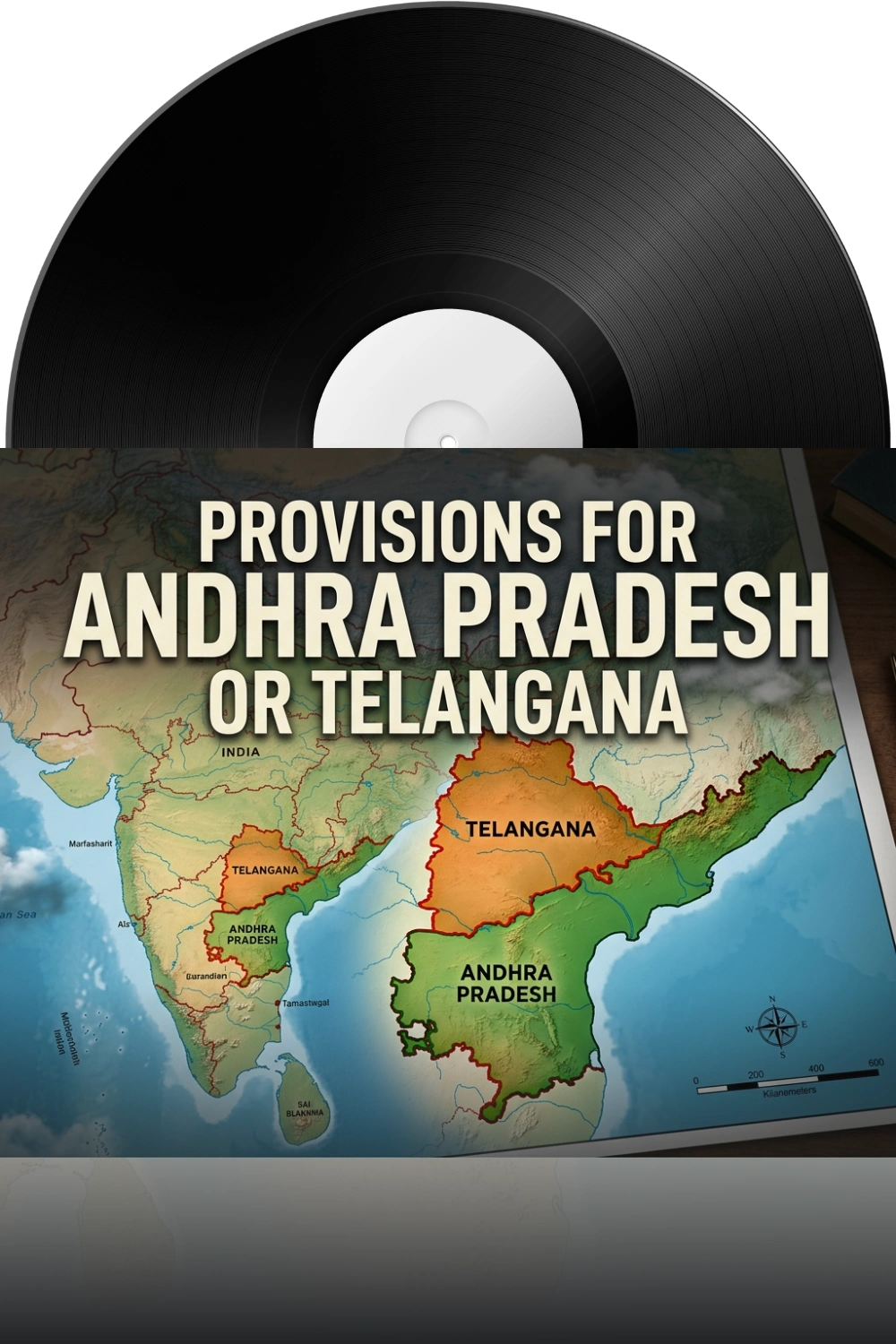
Provisions for Andhra Pradesh or Telangana

🔒 Full lesson in appExplore in app ↗
Statecraft: Inside the States

The Dual Identity: Office of the Governor

🔒 Full lesson in appExplore in app ↗
Statecraft: Inside the States

Advisory Committees of Union Territories

🔒 Full lesson in appExplore in app ↗
Statecraft: Inside the States

The Tenure Puzzle: Pleasure of the President

🔒 Full lesson in appExplore in app ↗
Statecraft: Inside the States

Administration of Tribal Areas

🔒 Full lesson in appExplore in app ↗
Statecraft: Inside the States

Constitutional Discretion: The Governor’s Veto

🔒 Full lesson in appExplore in app ↗
Statecraft: Inside the States

Political Hotspots: Discretionary Powers & Art 356

🔒 Full lesson in appExplore in app ↗
Statecraft: Inside the States

Chief Minister & State Council: State Power Engine

🔒 Full lesson in appExplore in app ↗
Statecraft: Inside the States

De Facto Ruler of the State: Appointment of CM

🔒 Full lesson in appExplore in app ↗
Statecraft: Inside the States

State Legislature: Vidhan Sabha & Parishad

🔒 Full lesson in appExplore in app ↗

Statecraft: Inside the States

Unicameral vs. Bicameral: The State Layout

🔒 Full lesson in appExplore in app ↗
Statecraft: Inside the States

Legislative Council: Composition & Limitations

🔒 Full lesson in appExplore in app ↗
Justice Unleashed: The Judiciary

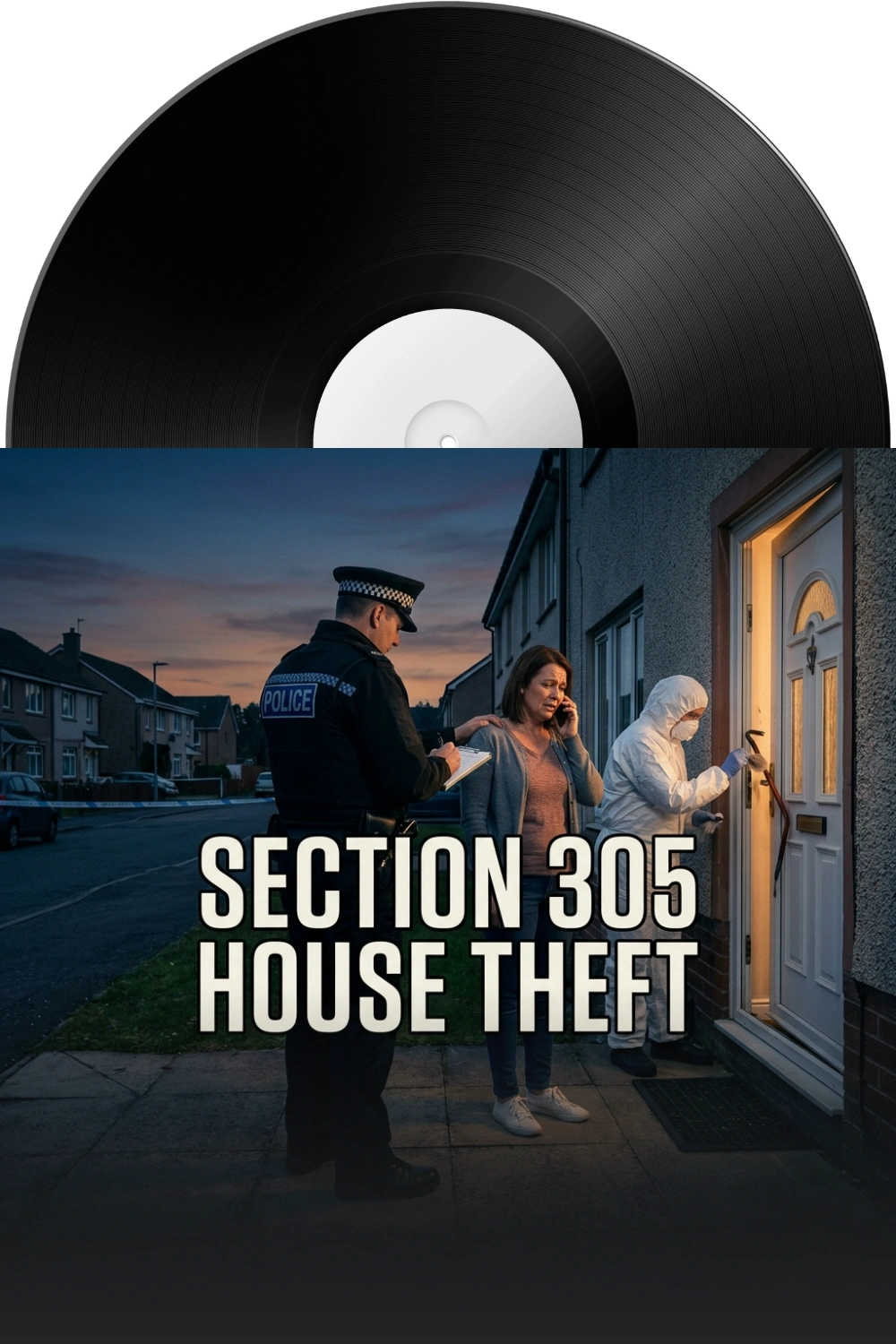
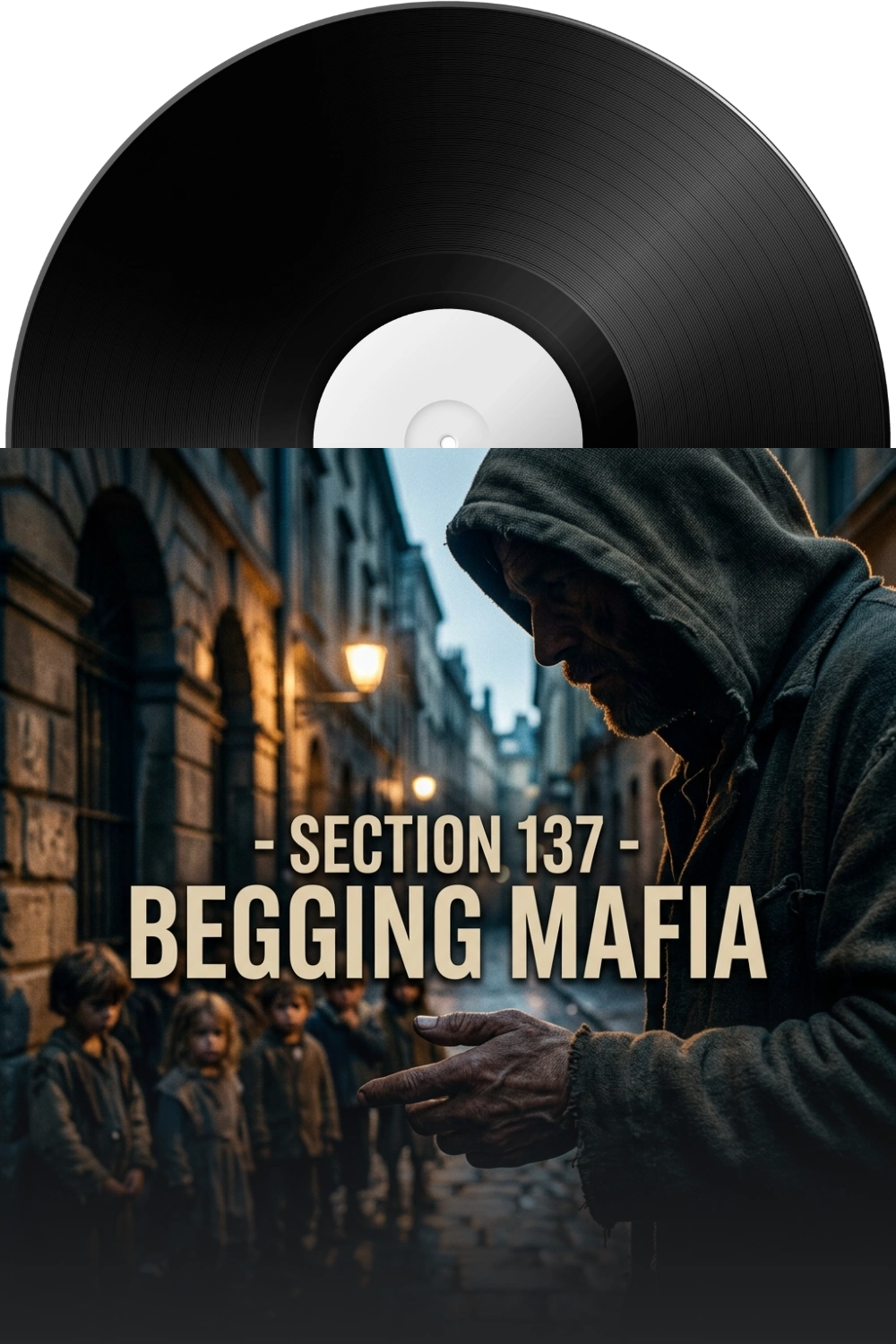
Petty Organised Crime

🔒 Full lesson in appExplore in app ↗
Justice Unleashed: The Judiciary

Supreme Court: India’s Final Word

🔒 Full lesson in appExplore in app ↗
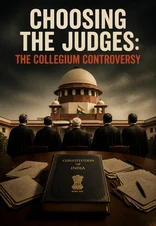
Justice Unleashed: The Judiciary

Choosing the Judges: The Collegium Controversy

🔒 Full lesson in appExplore in app ↗
Justice Unleashed: The Judiciary

Obscenity to Minors

🔒 Full lesson in appExplore in app ↗
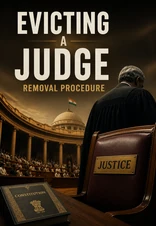
Justice Unleashed: The Judiciary

Evicting a Judge: Removal Procedure

🔒 Full lesson in appExplore in app ↗

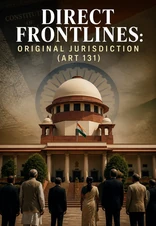
Justice Unleashed: The Judiciary

Direct Frontlines: Original Jurisdiction (Art 131)

🔒 Full lesson in appExplore in app ↗
Justice Unleashed: The Judiciary

Failed Minor Crime

🔒 Full lesson in appExplore in app ↗
Justice Unleashed: The Judiciary

The Guardian’s Shield: Appellate & Advisory Jurisdictions

🔒 Full lesson in appExplore in app ↗
Justice Unleashed: The Judiciary

Written Records: Court of Record & Judicial Review

🔒 Full lesson in appExplore in app ↗
Justice Unleashed: The Judiciary

Citizens’ Direct Path: Public Interest Litigation (PIL)

🔒 Full lesson in appExplore in app ↗
Justice Unleashed: The Judiciary

Suits by or Against the Government & Suits Against Public Officials

🔒 Full lesson in appExplore in app ↗
Justice Unleashed: The Judiciary

The Pyramid of Justice: Integrated Judiciary

🔒 Full lesson in appExplore in app ↗
Justice Unleashed: The Judiciary

Pillars of State Justice

🔒 Full lesson in appExplore in app ↗
Justice Unleashed: The Judiciary

Selling Bad Drugs

🔒 Full lesson in appExplore in app ↗
Justice Unleashed: The Judiciary

Perjury Punishment

🔒 Full lesson in appExplore in app ↗
Justice Unleashed: The Judiciary

The Wider Reach: Writ Jurisdiction of High Courts

🔒 Full lesson in appExplore in app ↗
Justice Unleashed: The Judiciary

Control over lower ranks: Superintendence Power

🔒 Full lesson in appExplore in app ↗
Justice Unleashed: The Judiciary

Negligent Machine

🔒 Full lesson in appExplore in app ↗
Justice Unleashed: The Judiciary

Meaning & Features of Public Interest Litigation (PIL)

🔒 Full lesson in appExplore in app ↗
Justice Unleashed: The Judiciary

The Base Foundation: District Judiciary

🔒 Full lesson in appExplore in app ↗
Justice Unleashed: The Judiciary

Protecting Private Property: Shankari Prasad (1951)

🔒 Full lesson in appExplore in app ↗
Justice Unleashed: The Judiciary

Harbouring Escapee

🔒 Full lesson in appExplore in app ↗
Justice Unleashed: The Judiciary

High Courts: 25 Pillars of State Justice

🔒 Full lesson in appExplore in app ↗
Justice Unleashed: The Judiciary

Subordinate Courts: Justice at Your Doorstep

🔒 Full lesson in appExplore in app ↗
Justice Unleashed: The Judiciary

Violation of Remission

🔒 Full lesson in appExplore in app ↗
Justice Unleashed: The Judiciary

Non-Lethal Defense

🔒 Full lesson in appExplore in app ↗
Justice Unleashed: The Judiciary

The Due Process Awakening: Maneka Gandhi (1978)

🔒 Full lesson in appExplore in app ↗
Justice Unleashed: The Judiciary

Federal Safeguards: S.R. Bommai (1994)

🔒 Full lesson in appExplore in app ↗
Justice Unleashed: The Judiciary

Insulting Modesty

🔒 Full lesson in appExplore in app ↗
Justice Unleashed: The Judiciary

Safety at Work: Vishaka v. State of Rajasthan (1997)

🔒 Full lesson in appExplore in app ↗
Justice Unleashed: The Judiciary

Fractions of terms

🔒 Full lesson in appExplore in app ↗
Justice Unleashed: The Judiciary

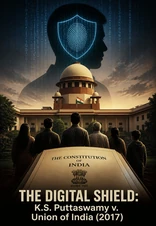
The Digital Shield: K.S. Puttaswamy v. Union of India (2017)

🔒 Full lesson in appExplore in app ↗
Justice Unleashed: The Judiciary

Identity Restitution: Navtej Singh Johar (2018)

🔒 Full lesson in appExplore in app ↗
Justice Unleashed: The Judiciary

Faith and Access: Sabarimala Case (2018)

🔒 Full lesson in appExplore in app ↗
Justice Unleashed: The Judiciary

Reviewing Basic Structure: The NJAC Verdict (2015)

🔒 Full lesson in appExplore in app ↗
Justice Unleashed: The Judiciary

Disobedience (144)

🔒 Full lesson in appExplore in app ↗
Justice Unleashed: The Judiciary

Landmark Cases: Verdicts That Shook India

🔒 Full lesson in appExplore in app ↗
Justice Unleashed: The Judiciary

The Transcendental Shift: Golaknath (1967)

🔒 Full lesson in appExplore in app ↗
Justice Unleashed: The Judiciary

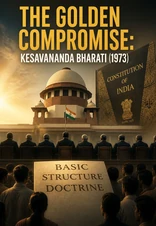
The Golden Compromise: Kesavananda Bharati (1973)

🔒 Full lesson in appExplore in app ↗
Justice Unleashed: The Judiciary

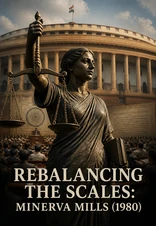
Rebalancing the Scales: Minerva Mills (1980)

🔒 Full lesson in appExplore in app ↗
Justice Unleashed: The Judiciary

The Caste Ceiling: Indra Sawhney (1992)

🔒 Full lesson in appExplore in app ↗
Justice Unleashed: The Judiciary

Fast-Track Relief: Lok Adalats & Gram Nyayalayas

🔒 Full lesson in appExplore in app ↗
Justice Unleashed: The Judiciary

Harbouring Dacoits

🔒 Full lesson in appExplore in app ↗
Democracy in Action: Elections & Parties

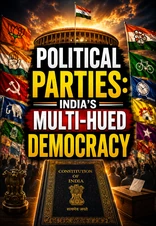
Political Parties: India’s Multi-Hued Democracy

🔒 Full lesson in appExplore in app ↗
Democracy in Action: Elections & Parties

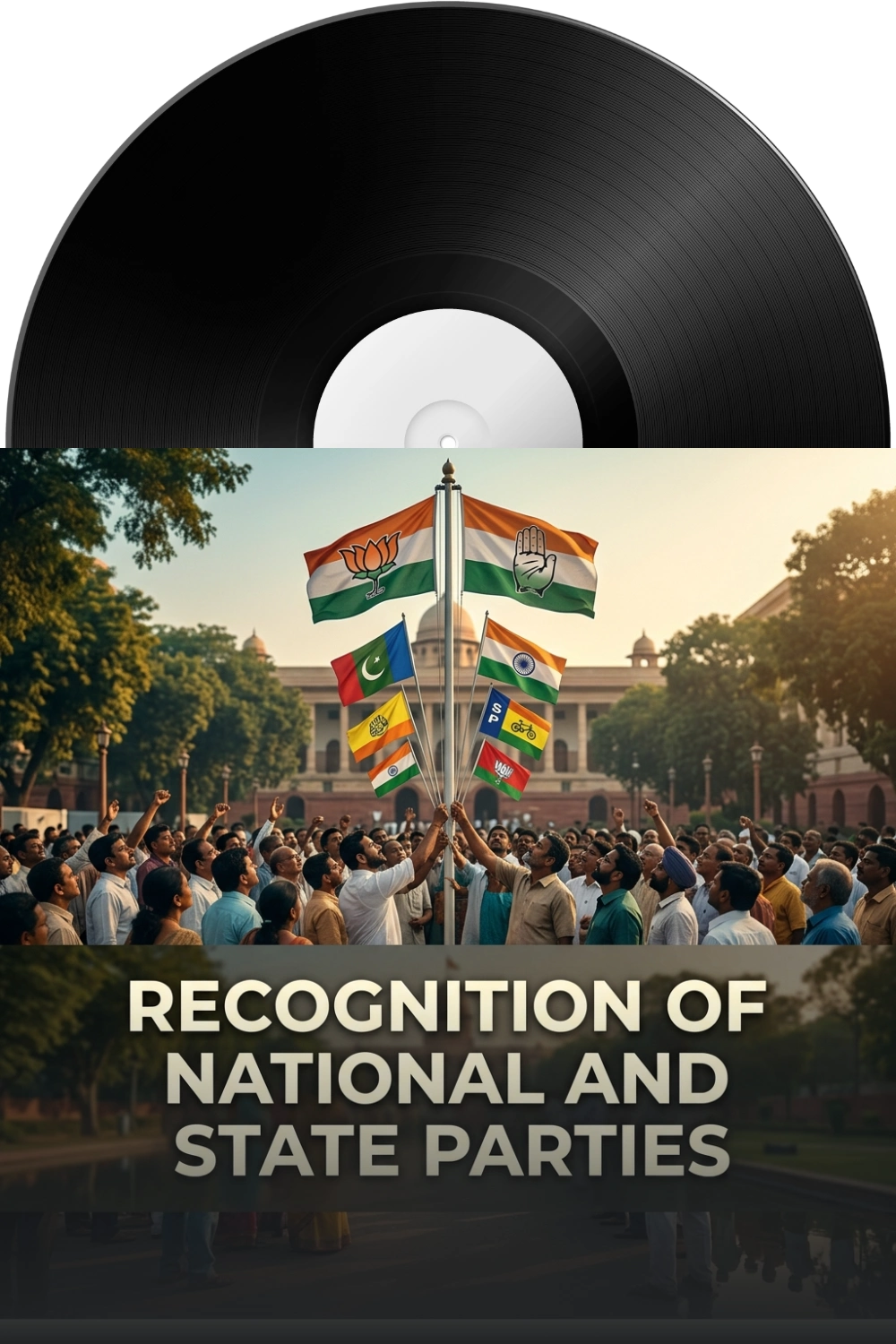
Recognition of National and State Parties

🔒 Full lesson in appExplore in app ↗
Democracy in Action: Elections & Parties

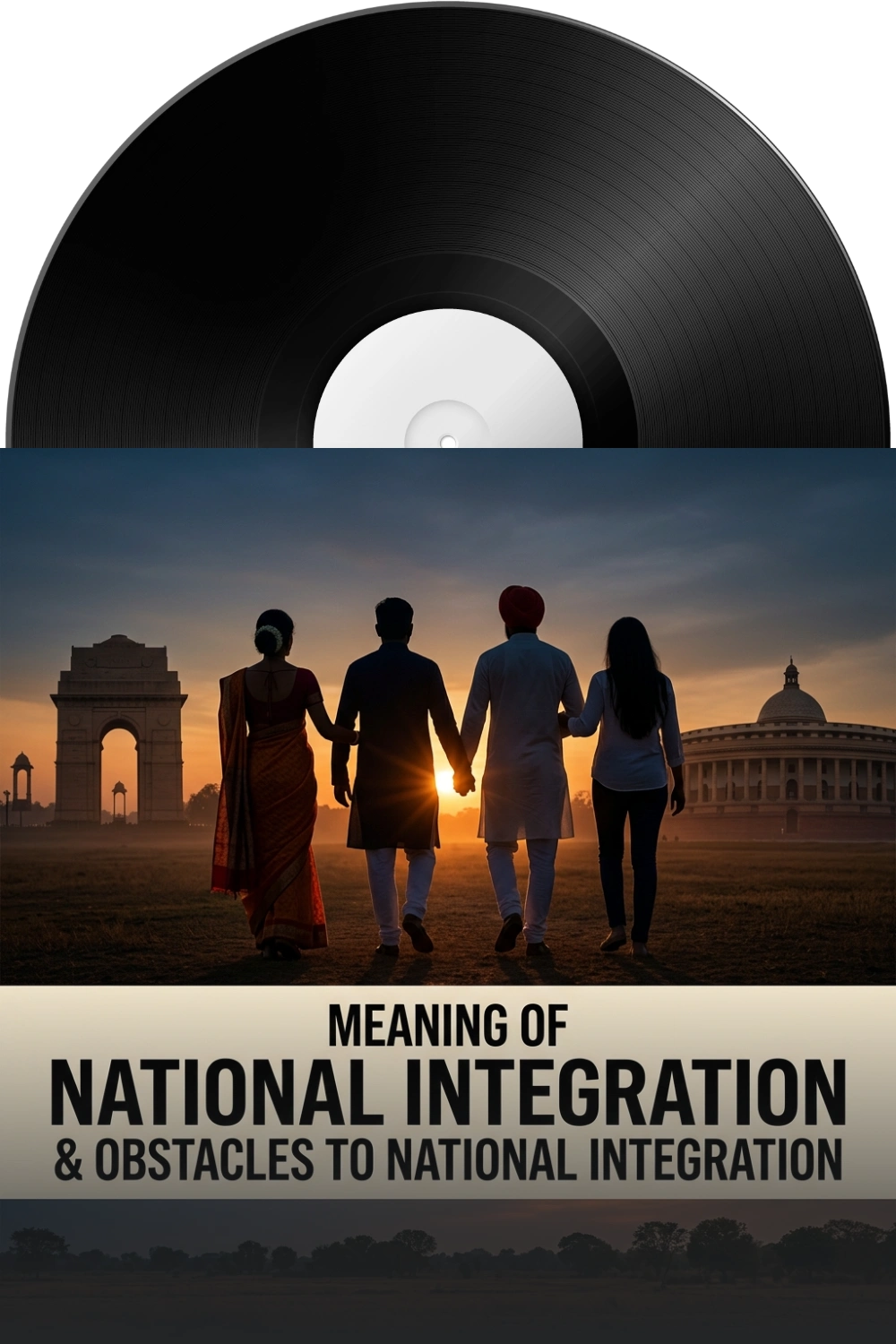
Meaning of National Integration & Obstacles to National Integration

🔒 Full lesson in appExplore in app ↗
Democracy in Action: Elections & Parties

Pressure Groups: Invisible Power Players

🔒 Full lesson in appExplore in app ↗
Democracy in Action: Elections & Parties

Elections: World’s Biggest Democratic Exercise

🔒 Full lesson in appExplore in app ↗
Democracy in Action: Elections & Parties

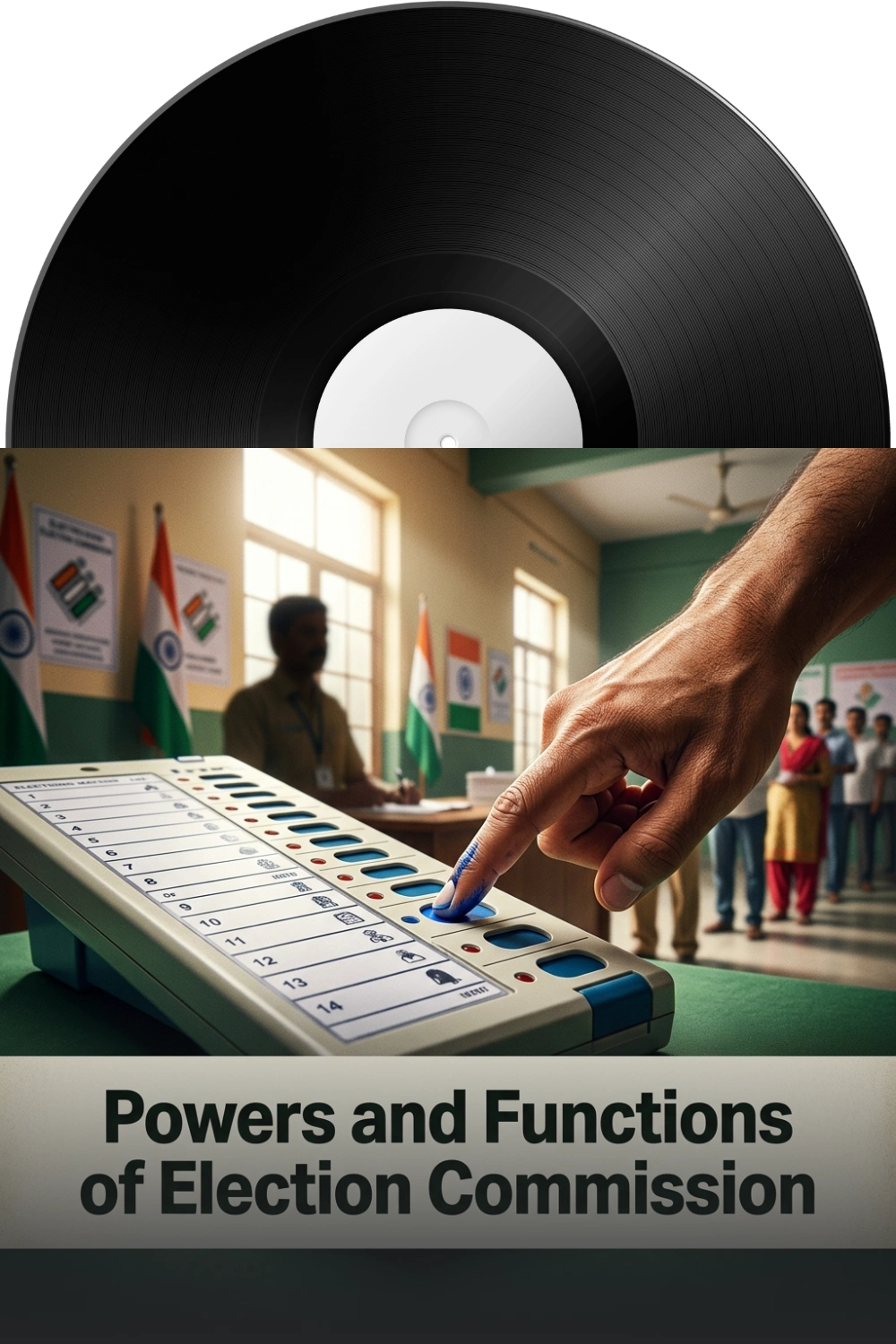
Powers and Functions of Election Commission

🔒 Full lesson in appExplore in app ↗
Democracy in Action: Elections & Parties

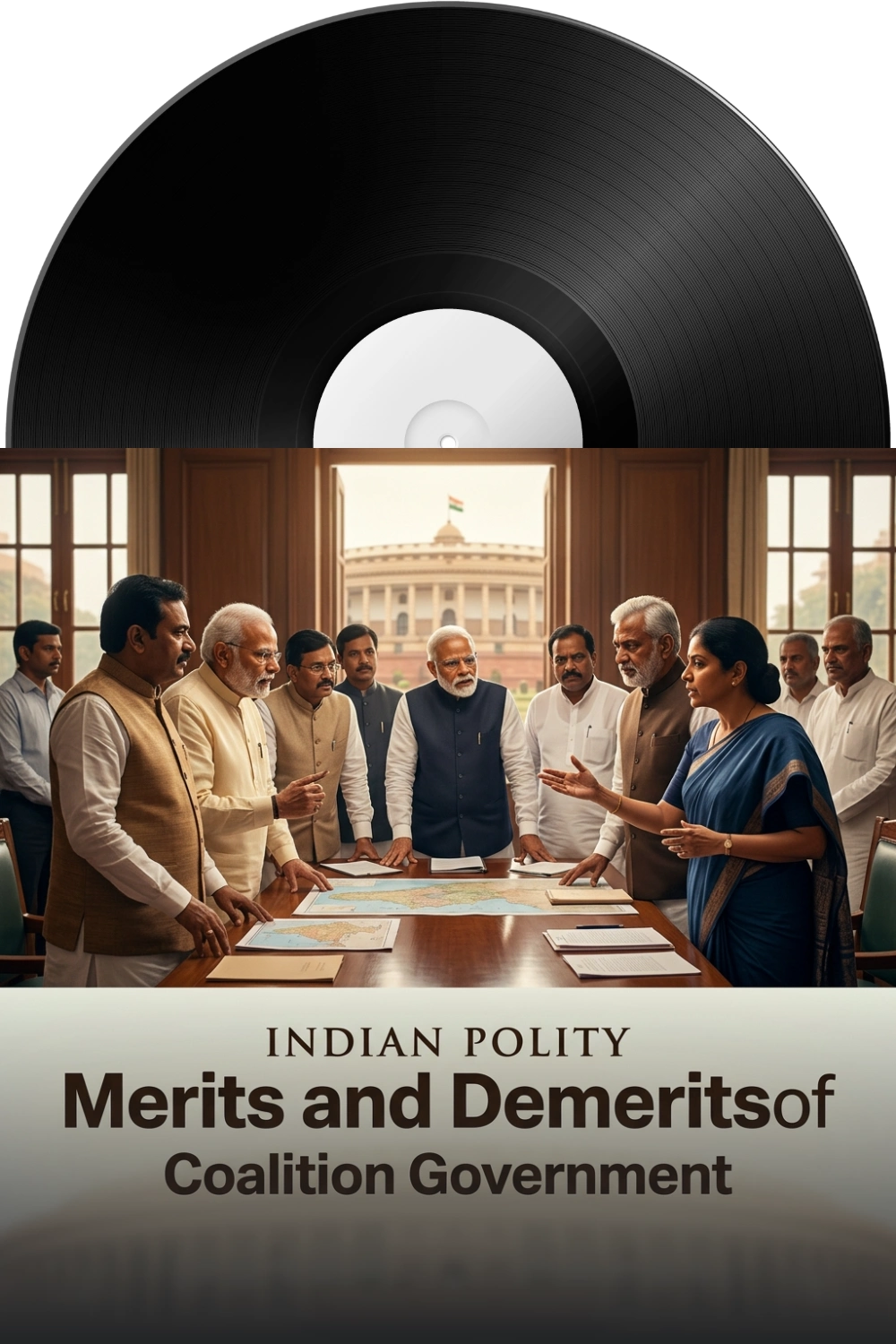
Merits and Demeritsof Coalition Government

🔒 Full lesson in appExplore in app ↗
Democracy in Action: Elections & Parties

The Ticket to Recognition: National vs. State Parties

🔒 Full lesson in appExplore in app ↗
Democracy in Action: Elections & Parties

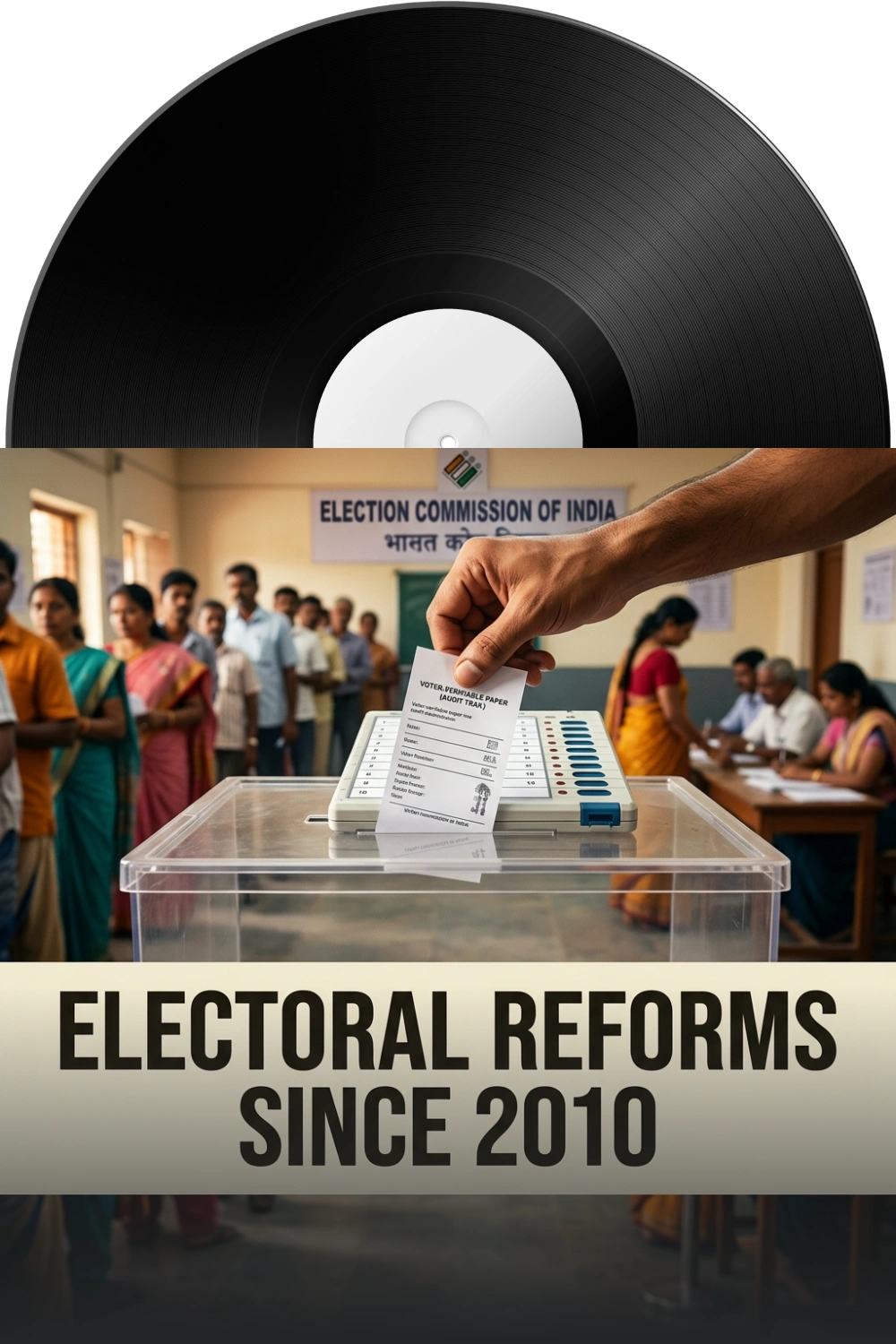
Electoral Reforms Since 2010

🔒 Full lesson in appExplore in app ↗
Democracy in Action: Elections & Parties

The Code of Conduct: Model Code of Conduct (MCC)

🔒 Full lesson in appExplore in app ↗
Democracy in Action: Elections & Parties

Determinants of Voting Behaviour and Role of Media in Elections and Voting Behaviour

🔒 Full lesson in appExplore in app ↗
Democracy in Action: Elections & Parties

Technology on the Booth: EVM; VVPAT; and NOTA

🔒 Full lesson in appExplore in app ↗
Democracy in Action: Elections & Parties

Regulating the Symbols and Whips

🔒 Full lesson in appExplore in app ↗
Democracy in Action: Elections & Parties

Legislative Pillars: Representation of the People Act 1950 & 1951

🔒 Full lesson in appExplore in app ↗
Democracy in Action: Elections & Parties

Election Process

🔒 Full lesson in appExplore in app ↗
Democracy in Action: Elections & Parties

Influencing Policy from the Shadows

🔒 Full lesson in appExplore in app ↗
Democracy in Action: Elections & Parties

Meaning and Significance of Voting Behaviour

🔒 Full lesson in appExplore in app ↗
Democracy in Action: Elections & Parties

Political Parties Meaning & Types and Party System in India

🔒 Full lesson in appExplore in app ↗
Democracy in Action: Elections & Parties

National Integration Council & National Foundation for Communal Harmony

🔒 Full lesson in appExplore in app ↗
The Watchdogs: Bodies of India

Connect Central Asia and Act East Policy of India

🔒 Full lesson in appExplore in app ↗
The Watchdogs: Bodies of India

The Vote Guardians: Election Commission of India (Art 324)

🔒 Full lesson in appExplore in app ↗
The Watchdogs: Bodies of India

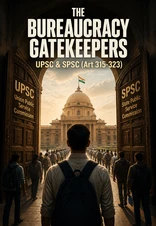
The Bureaucracy Gatekeepers: UPSC & SPSC (Art 315-323)

🔒 Full lesson in appExplore in app ↗
The Watchdogs: Bodies of India

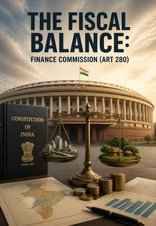
The Fiscal Balance: Finance Commission (Art 280)

🔒 Full lesson in appExplore in app ↗
The Watchdogs: Bodies of India

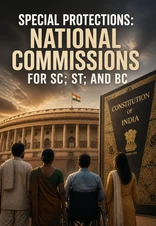
Special Protections: National Commissions for SC; ST; and BC

🔒 Full lesson in appExplore in app ↗
The Watchdogs: Bodies of India

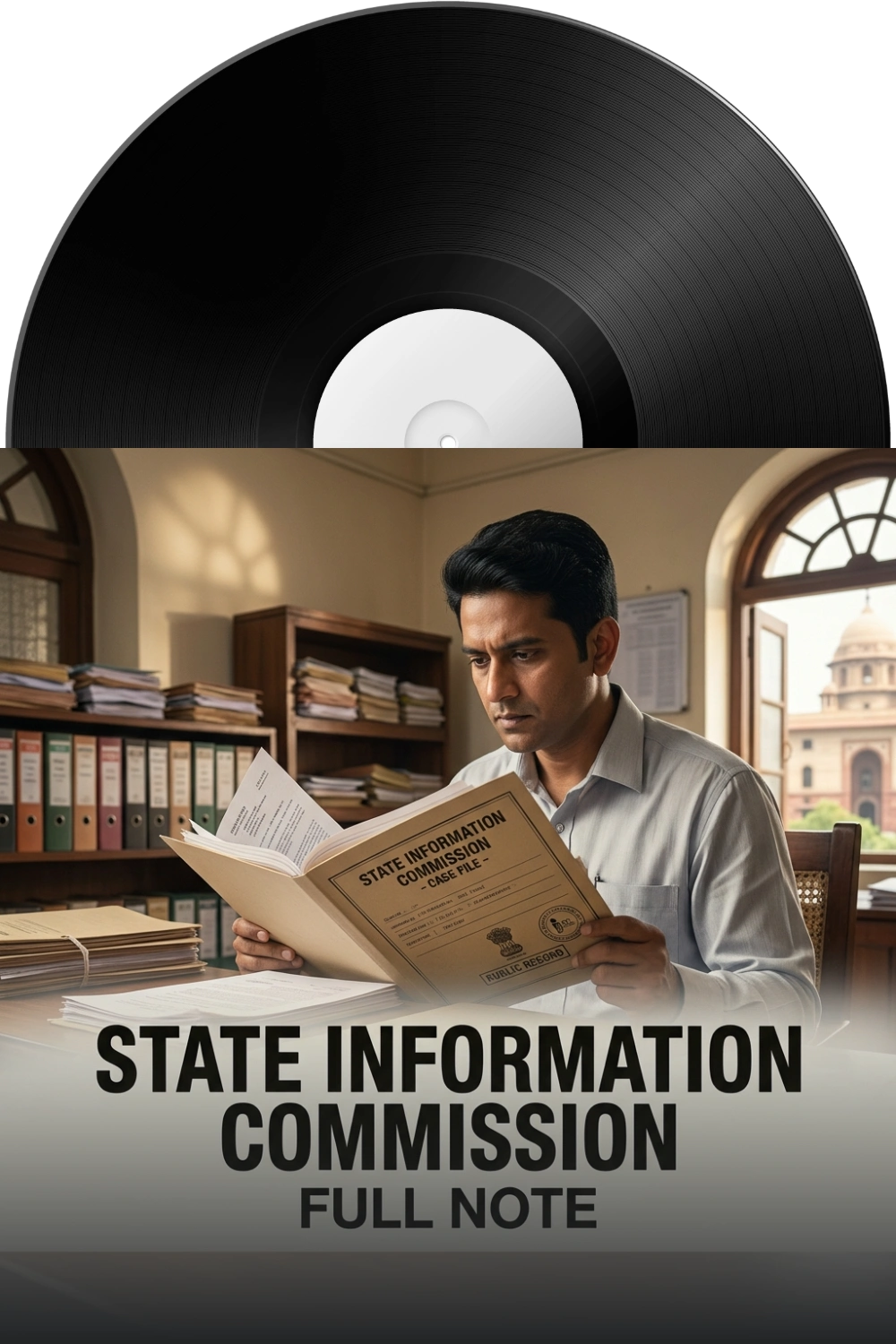
State Information Commission Full Note

🔒 Full lesson in appExplore in app ↗
The Watchdogs: Bodies of India

Guarding Civil Rights: NHRC

🔒 Full lesson in appExplore in app ↗
The Watchdogs: Bodies of India

Anti-Corruption Shields: CVC & Lokpal

🔒 Full lesson in appExplore in app ↗
The Watchdogs: Bodies of India

Premier Investigations: Central Bureau of Investigation (CBI)

🔒 Full lesson in appExplore in app ↗
The Watchdogs: Bodies of India

Principles & Objectivesof Indian Foreign Policy

🔒 Full lesson in appExplore in app ↗
The Watchdogs: Bodies of India

The Government’s Lawyer: Attorney General & Advocate General

🔒 Full lesson in appExplore in app ↗
The Watchdogs: Bodies of India

Classification of Services

🔒 Full lesson in appExplore in app ↗
The Watchdogs: Bodies of India

Special Officer for Linguistic Minorities: Guardian of Language Rights

🔒 Full lesson in appExplore in app ↗
The Watchdogs: Bodies of India

GST Council: India’s Fiscal Decision-Maker

🔒 Full lesson in appExplore in app ↗
The Watchdogs: Bodies of India

Transparency Gatekeepers: CIC

🔒 Full lesson in appExplore in app ↗
The Watchdogs: Bodies of India

Women & Child Rights Protectors: NCW & NCPCR

🔒 Full lesson in appExplore in app ↗
The Watchdogs: Bodies of India

The Public Purse Watchdog: CAG (Art 148-151)

🔒 Full lesson in appExplore in app ↗
The Watchdogs: Bodies of India

Statutory & Non-Constitutional Bodies

🔒 Full lesson in appExplore in app ↗
The Watchdogs: Bodies of India

Constitutional Bodies: Born from the Constitution

🔒 Full lesson in appExplore in app ↗
The Watchdogs: Bodies of India

Powers and Functions of CIC

🔒 Full lesson in appExplore in app ↗
The Watchdogs: Bodies of India

Powers of the Commission

🔒 Full lesson in appExplore in app ↗
Birth of a Nation: How Our Constitution Was Born

Before the Book: Polity’s Pre-1947 Story

🔒 Full lesson in appExplore in app ↗
Birth of a Nation: How Our Constitution Was Born

Drafting India: Constituent Assembly | Part 1

🔒 Full lesson in appExplore in app ↗
Birth of a Nation: How Our Constitution Was Born

What Makes Our Constitution Special

Preview featured aboveExplore in app ↗
Birth of a Nation: How Our Constitution Was Born

Preamble Decoded: The Soul in 85 Words

🔒 Full lesson in appExplore in app ↗
Birth of a Nation: How Our Constitution Was Born

The Path to Legislative Reforms – The Regulating Act of 1773

🔒 Full lesson in appExplore in app ↗
Birth of a Nation: How Our Constitution Was Born

The Path to Legislative Reforms – Pitt’s India Act of 1784

🔒 Full lesson in appExplore in app ↗
Birth of a Nation: How Our Constitution Was Born

The Path to Legislative Reforms – The Charter Act of 1813

🔒 Full lesson in appExplore in app ↗
Birth of a Nation: How Our Constitution Was Born

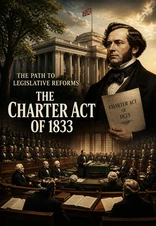
The Path to Legislative Reforms – The Charter Act of 1833

🔒 Full lesson in appExplore in app ↗
Birth of a Nation: How Our Constitution Was Born

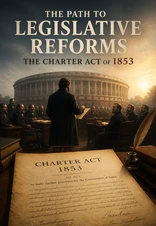
The Path to Legislative Reforms – The Charter Act of 1853

🔒 Full lesson in appExplore in app ↗
Birth of a Nation: How Our Constitution Was Born

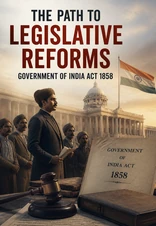
The Path to Legislative Reforms – Government of India Act 1858

🔒 Full lesson in appExplore in app ↗
Birth of a Nation: How Our Constitution Was Born

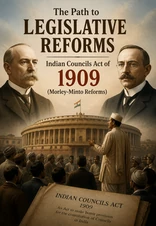
The Path to Legislative Reforms – Indian Councils Act of 1909 (Morley-Minto Reforms)

🔒 Full lesson in appExplore in app ↗
Birth of a Nation: How Our Constitution Was Born

The Path to Legislative Reforms – Government of India Act 1919 (Montagu-Chelmsford Reforms)

🔒 Full lesson in appExplore in app ↗
Birth of a Nation: How Our Constitution Was Born

The Path to Legislative Reforms – Government of India Act 1935

🔒 Full lesson in appExplore in app ↗
Birth of a Nation: How Our Constitution Was Born

The Path to Legislative Reforms – Indian Independence Act of 1947

🔒 Full lesson in appExplore in app ↗
Birth of a Nation: How Our Constitution Was Born

We; the People of India: Unveiling the Constitutional Vision

🔒 Full lesson in appExplore in app ↗
Birth of a Nation: How Our Constitution Was Born

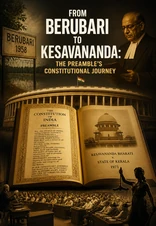
From Berubari to Kesavananda: The Preamble’s Constitutional Journey

🔒 Full lesson in appExplore in app ↗
Birth of a Nation: How Our Constitution Was Born

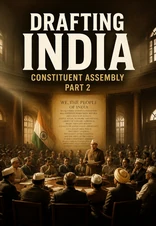
Drafting India: Constituent Assembly | Part 2

🔒 Full lesson in appExplore in app ↗
Birth of a Nation: How Our Constitution Was Born

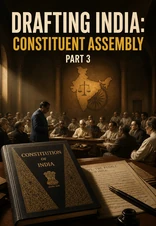
Drafting India: Constituent Assembly | Part 3

🔒 Full lesson in appExplore in app ↗
Birth of a Nation: How Our Constitution Was Born

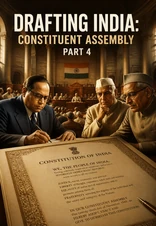
Drafting India: Constituent Assembly | Part 4

🔒 Full lesson in appExplore in app ↗
Birth of a Nation: How Our Constitution Was Born

Drafting India: Constituent Assembly | Part 5

🔒 Full lesson in appExplore in app ↗
Birth of a Nation: How Our Constitution Was Born

Drafting India: Constituent Assembly | Part 7

🔒 Full lesson in appExplore in app ↗
Birth of a Nation: How Our Constitution Was Born

Drafting India: Constituent Assembly | Part 8

🔒 Full lesson in appExplore in app ↗
Birth of a Nation: How Our Constitution Was Born

Drafting India: Constituent Assembly | Part 9

🔒 Full lesson in appExplore in app ↗
Birth of a Nation: How Our Constitution Was Born

Drafting India: Constituent Assembly | Part 10

🔒 Full lesson in appExplore in app ↗
The Constitution Toolkit

Parts & Schedules: Constitution’s Anatomy | Part 1

🔒 Full lesson in appExplore in app ↗
The Constitution Toolkit

Drawing the Map: Union & Its Territory

🔒 Full lesson in appExplore in app ↗
The Constitution Toolkit

Parts & Schedules: Constitution’s Anatomy | Part 2

🔒 Full lesson in appExplore in app ↗
The Constitution Toolkit

Fundamental Rights | An Introduction

🔒 Full lesson in appExplore in app ↗
The Constitution Toolkit

Citizenship: Who is an Indian?

🔒 Full lesson in appExplore in app ↗
The Constitution Toolkit

Blueprint of a Nation: Decoding Parts I to V of the Indian Constitution

🔒 Full lesson in appExplore in app ↗
The Constitution Toolkit

Grassroots to Governance: Exploring Parts VI to XI of the Constitution

🔒 Full lesson in appExplore in app ↗
The Constitution Toolkit

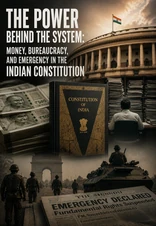
The Power Behind the System: Money; Bureaucracy; and Emergency in the Indian Constitution

🔒 Full lesson in appExplore in app ↗
The Constitution Toolkit

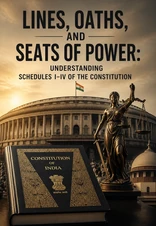
Lines; Oaths; and Seats of Power: Understanding Schedules I–IV of the Constitution

🔒 Full lesson in appExplore in app ↗
The Constitution Toolkit

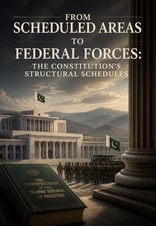
From Scheduled Areas to Federal Forces: The Constitution’s Structural Schedules

🔒 Full lesson in appExplore in app ↗
The Constitution Toolkit

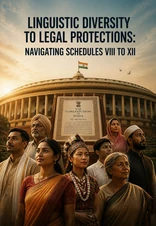
Linguistic Diversity to Legal Protections: Navigating Schedules VIII to XII

🔒 Full lesson in appExplore in app ↗
The Constitution Toolkit

Union of States: How Article 1 Shaped the Identity of India; That Is Bharat

🔒 Full lesson in appExplore in app ↗
The Constitution Toolkit

Territorial Adjustments: The Implications of Articles 3 and 4 Explained

🔒 Full lesson in appExplore in app ↗
The Constitution Toolkit

Dhar; JVP; and Fazl Ali: The Evolution of Language in State Formation

🔒 Full lesson in appExplore in app ↗
The Constitution Toolkit

Statehood Struggles: A Chronology of Bifurcation and Creation in India

🔒 Full lesson in appExplore in app ↗
The Constitution Toolkit

Citizenship Unveiled: Exploring Articles 5 to 8 of the Indian Constitution

🔒 Full lesson in appExplore in app ↗
The Constitution Toolkit

One Nation; One Citizenship: How Articles 9–11 Shape India’s Identity Laws

🔒 Full lesson in appExplore in app ↗
The Constitution Toolkit

Indian: The Five Constitutional Pathways to Citizenship

🔒 Full lesson in appExplore in app ↗
The Constitution Toolkit

The End of Citizenship: Understanding Renunciation; Termination; and Deprivation

🔒 Full lesson in appExplore in app ↗
The Constitution Toolkit

Citizenship in the Diaspora: Rights and Privileges of NRIs and OCIs Explained

🔒 Full lesson in appExplore in app ↗
The Constitution Toolkit

Citizenship and Contention: The Constitutional Debate Around the CAA

🔒 Full lesson in appExplore in app ↗
Rights; Duties & The Big Six

Constitutional Provisions

🔒 Full lesson in appExplore in app ↗

Rights; Duties & The Big Six

Fundamental Rights | Part 1: The Big Three

🔒 Full lesson in appExplore in app ↗
Rights; Duties & The Big Six

Separate & Functions Commission for STs

🔒 Full lesson in appExplore in app ↗
Rights; Duties & The Big Six

Writs: Our Constitutional Safeguard

🔒 Full lesson in appExplore in app ↗
Rights; Duties & The Big Six

DPSP: Dreams of the Constitution

🔒 Full lesson in appExplore in app ↗
Rights; Duties & The Big Six

Fundamental Duties: 11 Promises You Forgot

🔒 Full lesson in appExplore in app ↗
Rights; Duties & The Big Six

“Defining “”The State””: Article 12″

🔒 Full lesson in appExplore in app ↗
Rights; Duties & The Big Six

Shield against Arbitrary Laws: Article 13

🔒 Full lesson in appExplore in app ↗
Rights; Duties & The Big Six

Equality Before Law: Article 14

🔒 Full lesson in appExplore in app ↗
Rights; Duties & The Big Six

Prohibition of Discrimination: Article 15

🔒 Full lesson in appExplore in app ↗
Rights; Duties & The Big Six

Equality of Opportunity: Article 16

🔒 Full lesson in appExplore in app ↗
Rights; Duties & The Big Six

Abolition of Untouchability & Titles: Articles 17 and 18

🔒 Full lesson in appExplore in app ↗
Rights; Duties & The Big Six

The Six Democratic Freedoms: Article 19(1)(a) to 19(1)(c)

🔒 Full lesson in appExplore in app ↗
Rights; Duties & The Big Six

Movement; Residence; and Profession: Article 19(1)(d) to 19(1)(g)

🔒 Full lesson in appExplore in app ↗
Rights; Duties & The Big Six

Protection against Conviction: Article 20

🔒 Full lesson in appExplore in app ↗
Rights; Duties & The Big Six

The Core Shield: Article 21 (Life & Liberty)

🔒 Full lesson in appExplore in app ↗
Rights; Duties & The Big Six

Education & Detention Protections: Articles 21A and 22

🔒 Full lesson in appExplore in app ↗
Rights; Duties & The Big Six

Eradicating Exploitation: Articles 23 and 24

🔒 Full lesson in appExplore in app ↗
Rights; Duties & The Big Six

Fundamental Rights | Part 2: Faith; Culture & Justice

🔒 Full lesson in appExplore in app ↗
Rights; Duties & The Big Six

Freedom of Conscience: Article 25

🔒 Full lesson in appExplore in app ↗
Rights; Duties & The Big Six

Managing Faith Matters: Articles 26; 27; and 28

🔒 Full lesson in appExplore in app ↗
Rights; Duties & The Big Six

Cultural Rights for Minorities: Articles 29 and 30

🔒 Full lesson in appExplore in app ↗
Rights; Duties & The Big Six

Heart and Soul of the Constitution: Article 32

🔒 Full lesson in appExplore in app ↗
Rights; Duties & The Big Six

Bring the Body: Habeas Corpus

🔒 Full lesson in appExplore in app ↗
Rights; Duties & The Big Six

Stop Right There: Prohibition

🔒 Full lesson in appExplore in app ↗
Rights; Duties & The Big Six

Certified Review: Certiorari

🔒 Full lesson in appExplore in app ↗
Rights; Duties & The Big Six

By What Authority? Quo-Warranto

🔒 Full lesson in appExplore in app ↗
Rights; Duties & The Big Six

The Moral Compass: Introduction to Part IV

🔒 Full lesson in appExplore in app ↗
Rights; Duties & The Big Six

The Wealth & Welfare Ideals: Socialist Principles

🔒 Full lesson in appExplore in app ↗
Rights; Duties & The Big Six

Village Autonomy & Prohibitions: Gandhian Principles

🔒 Full lesson in appExplore in app ↗
Rights; Duties & The Big Six

Uniform Civil Code & Global Peace: Liberal-Intellectual Principles

🔒 Full lesson in appExplore in app ↗
Rights; Duties & The Big Six

The Great Battle: FR vs. DPSP Clashes

🔒 Full lesson in appExplore in app ↗
Rights; Duties & The Big Six

The Missing Chapter: Inception of Part IV-A

🔒 Full lesson in appExplore in app ↗
Rights; Duties & The Big Six

Duties 1 to 5: Sovereign and Social Responsibilities

🔒 Full lesson in appExplore in app ↗
Rights; Duties & The Big Six

Duties 6 to 11: Heritage; Science; and Education

🔒 Full lesson in appExplore in app ↗
Rights; Duties & The Big Six

Enforcing the Unenforceable: Legal Standing of Duties

🔒 Full lesson in appExplore in app ↗
The Amendment Game

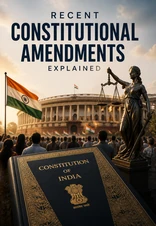
Recent Constitutional Amendments Explained

🔒 Full lesson in appExplore in app ↗
The Amendment Game

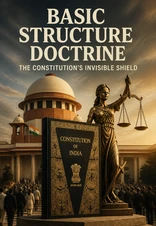
Basic Structure Doctrine: The Constitution’s Invisible Shield

🔒 Full lesson in appExplore in app ↗
The Amendment Game

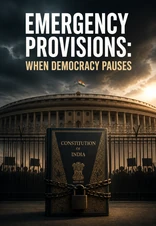
Emergency Provisions: When Democracy Pauses

🔒 Full lesson in appExplore in app ↗
The Amendment Game

Special Officer for Linguistic Minorities

🔒 Full lesson in appExplore in app ↗
Inside Parliament: The Power Theatre

Parliament 101: The Two Houses

Preview featured aboveExplore in app ↗
Inside Parliament: The Power Theatre

Types of Majorities in Parliament

🔒 Full lesson in appExplore in app ↗
Inside Parliament: The Power Theatre

Union Legislature

🔒 Full lesson in appExplore in app ↗
Inside Parliament: The Power Theatre

Union Executive

🔒 Full lesson in appExplore in app ↗
Inside Parliament: The Power Theatre

The Westminster Heart: Structural Composition

🔒 Full lesson in appExplore in app ↗
Inside Parliament: The Power Theatre

The Calendar of Power: Parliamentary Sessions

🔒 Full lesson in appExplore in app ↗
Inside Parliament: The Power Theatre

Lok Sabha: People’s House Decoded

🔒 Full lesson in appExplore in app ↗
Inside Parliament: The Power Theatre

Composition and Entry Tickets: Lower House Setup

🔒 Full lesson in appExplore in app ↗
Inside Parliament: The Power Theatre

Rajya Sabha: The Eternal House

🔒 Full lesson in appExplore in app ↗
Inside Parliament: The Power Theatre

Council of States: Composition and Selection

🔒 Full lesson in appExplore in app ↗
Inside Parliament: The Power Theatre

Why it Never Dies: The Permanent Chamber

🔒 Full lesson in appExplore in app ↗
Inside Parliament: The Power Theatre

Federal Shields: Special Powers of Rajya Sabha

🔒 Full lesson in appExplore in app ↗
Inside Parliament: The Power Theatre

The Routine Vote: Simple Majority

🔒 Full lesson in appExplore in app ↗
Inside Parliament: The Power Theatre

The Structural Lock: Effective & Absolute Majority

🔒 Full lesson in appExplore in app ↗
Inside Parliament: The Power Theatre

The High Bar: Special Majority (Art 368 & 61)

🔒 Full lesson in appExplore in app ↗
Inside Parliament: The Power Theatre

The Ordinary Journey: First to Third Readings

🔒 Full lesson in appExplore in app ↗
Inside Parliament: The Power Theatre

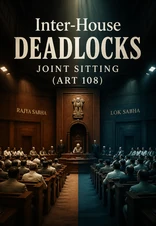
Inter-House Deadlocks: Joint Sitting (Art 108)

🔒 Full lesson in appExplore in app ↗
Inside Parliament: The Power Theatre

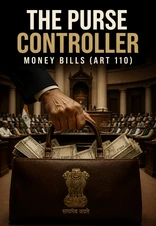
The Purse Controller: Money Bills (Art 110)

🔒 Full lesson in appExplore in app ↗
Inside Parliament: The Power Theatre

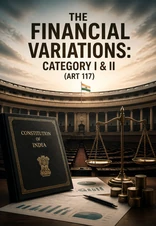
The Financial Variations: Category I & II (Art 117)

🔒 Full lesson in appExplore in app ↗
Inside Parliament: The Power Theatre

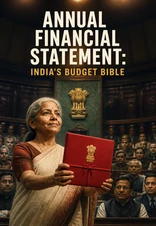
Annual Financial Statement: India’s Budget Bible

🔒 Full lesson in appExplore in app ↗
Inside Parliament: The Power Theatre

Presiding Officers & Parliamentary Committees

🔒 Full lesson in appExplore in app ↗
Inside Parliament: The Power Theatre

The Political Traitors: 10th Schedule & Anti-Defection

🔒 Full lesson in appExplore in app ↗

Inside Parliament: The Power Theatre

The Umpire: The Speaker of Lok Sabha

🔒 Full lesson in appExplore in app ↗
Inside Parliament: The Power Theatre

V. Earlier Efforts to Review the Constitution

🔒 Full lesson in appExplore in app ↗
Continue Your Indian Polity Prep with PrepShots

Explore Polity video lessons, PYQ-based quizzes, mock tests and revision resources inside PrepShots.

Explore in PrepShots ↗
Exams covered

Use Indian Polity preparation across major government exams

Indian Polity is relevant across several competitive exams. Use the question filters above to explore the exams and years currently represented in the published Polity question library.

Major exam

UPSC

Constitution, governance, Parliament, executive and judiciary concepts.

Major exam

State PSC

Indian Constitution, central and state government, and governance topics.

Major exam

SSC

Static Polity facts, constitutional provisions and important institutions.

Also relevant

Railways

General Awareness questions covering basic Indian Polity and Constitution.

Before you start

Indian Polity preparation, answered

What should I study first in Indian Polity?

Start with the basics of the Constitution, then move to the Union executive, Parliament, judiciary, state government and local government.

Will chapter-wise Polity questions be added here?

Yes. New published Indian Polity Q&A pages can be added to this library through the automated hub refresh.

How are the Polity video lessons organised?

Lessons are grouped by series. The library currently includes 252 Indian Polity videos; selected lessons have a web preview, while full lessons can be explored inside the PrepShots app.

Is Indian Polity useful for UPSC, State PSC and SSC?

Yes. The depth varies by exam, but Constitution and governance topics are important across UPSC, State PSC, SSC and several other government exams.

Video preview

You are watching a short preview. Explore more in the app.